The psychology behind why we gamble Understanding the factors influencing our choices
The allure of risk and reward
The thrill of gambling lies in the interplay between risk and reward. When individuals engage in gambling activities, they are often driven by the potential for a significant payout. This exhilarating experience stimulates the brain’s reward system, releasing dopamine, a neurotransmitter associated with pleasure and satisfaction. As people continue to gamble, they may chase that high, often disregarding the risks involved. One exciting option to explore is the Chicken Road casino, which offers unique gameplay and potential big wins.

This dynamic can create a cycle where the initial wins encourage further play, leading to increased stakes. Many gamblers find themselves drawn into this cycle, believing that they can replicate their success. This phenomenon is not merely about money; it taps into deeper psychological needs, including the desire for excitement and the validation that comes with winning.
Cognitive biases and decision-making
Gambling is significantly influenced by cognitive biases that affect how individuals make decisions. For example, the “gambler’s fallacy” leads players to believe that previous outcomes affect future results. A person might think that a particular slot machine is “due” for a win after a series of losses, ignoring the random nature of such games.
Additionally, confirmation bias plays a role in how gamblers interpret their experiences. They may focus on wins while downplaying losses, leading to an unrealistic perception of their gambling success. These biases create a distorted sense of control, making individuals more likely to engage in gambling behavior despite evidence suggesting otherwise.
Social influences and gambling behavior
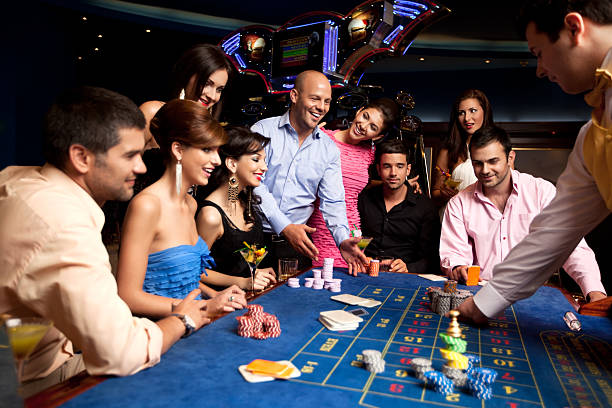
The social environment also has a profound impact on gambling behavior. Many people are introduced to gambling through friends or family, leading to a normalization of the activity. Social gatherings in casinos or home games can create a communal atmosphere that enhances the excitement and enjoyment of gambling.
Moreover, peer pressure can compel individuals to participate in gambling, even if they are initially hesitant. The desire to fit in or be part of a group can overshadow personal reservations, leading to impulsive decisions. This social aspect not only influences the frequency of gambling but can also affect the types of games people choose to engage in.
The role of emotional states
Emotional states can significantly influence gambling choices. Many individuals turn to gambling as a way to cope with stress, anxiety, or depression. The escapism that gambling offers can be appealing, as it provides a temporary distraction from life’s challenges. In this context, gambling becomes less about the game itself and more about finding relief from emotional distress.
Conversely, positive emotions can also drive gambling behavior. A feeling of euphoria or celebration can lead individuals to gamble impulsively, believing that good luck will continue. This emotional rollercoaster can make it difficult for gamblers to establish a balanced approach, leading to potentially harmful gambling habits.
Responsible gaming and awareness
Understanding the psychology behind gambling is crucial for promoting responsible gaming. Awareness of the factors that influence gambling choices can help individuals make informed decisions and recognize when their behavior may be becoming problematic. It is essential to cultivate a mindset that prioritizes enjoyment over the pursuit of winnings.
Additionally, education on the risks associated with gambling can empower individuals to set limits and seek help if needed. Many resources are available for those who find themselves struggling with gambling addiction, offering support and guidance to foster healthier relationships with gambling. By promoting a culture of awareness and responsibility, the gambling community can work towards ensuring a safe and enjoyable experience for all.
 Italian
 Arabic
 Chinese (Simplified)
 Dutch
Dutch English
 French
 German
 Portuguese
 Russian
 Spanish