The Allure of Casino Environments
Casino gaming environments are meticulously crafted to engage players through sensory experiences. The combination of vibrant colors, captivating lights, and enticing sounds creates an atmosphere that stimulates excitement and prompts players to engage. This sensory overload is not mere coincidence; it’s a strategic design to heighten emotional responses, making individuals feel more enthusiastic and willing to gamble. Many individuals find themselves drawn to credit card casinos as they seek out thrilling experiences and the chance to win big.
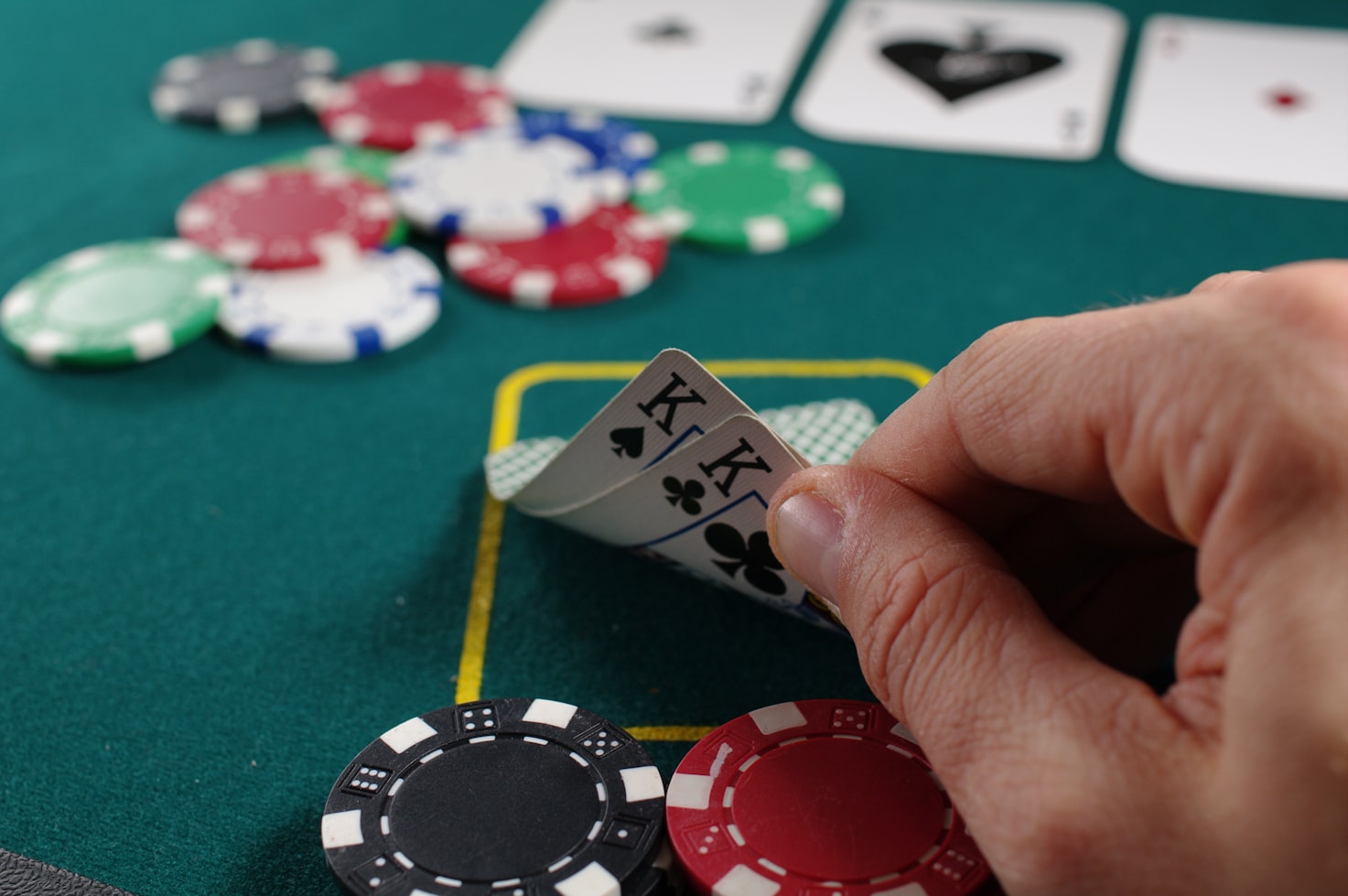
Additionally, casinos often utilize layouts that encourage players to explore and interact with various games. The placement of slot machines and gaming tables is intentional, aiming to create a flow that entices individuals to try their luck. This design speaks to the psychology of curiosity and adventure, as players are drawn in, often unaware of the time they spend in this exhilarating environment.
The Role of Reward Systems
Understanding the reward system in casino games is vital to unpacking player behavior. Many games operate on a reinforcement schedule that can easily lead to addictive patterns. The intermittent rewards provided by slot machines and table games can trigger the brain’s pleasure centers, resulting in a rush that compels players to keep playing in hopes of achieving a big win.
This reinforcement model mirrors behaviors observed in various forms of gambling, where wins, however small, serve as powerful motivators. Players often become desensitized to losses, focusing instead on the possibility of future wins. This cycle of chasing losses can create a compelling narrative, drawing players back into the casino time and again, despite negative consequences.
The Impact of Decision-Making Processes
Player behavior in casinos is also influenced by cognitive biases that affect decision-making. For instance, the illusion of control leads players to believe they have more influence over game outcomes than they truly do. This belief can drive players to make irrational decisions, such as betting larger amounts in hopes of turning their luck around.
Moreover, the concept of loss aversion plays a significant role in gambling behaviors. Players often prefer to avoid losses rather than acquire equivalent gains, leading them to continue playing even when it may not be in their best interest. This psychological understanding highlights why individuals may become entrenched in behaviors that defy logic, as the fear of losing prevails over the thrill of winning.
The Effects of Social Interaction
Social dynamics within a casino can greatly influence player behavior. The presence of others can create a sense of community, where players share in the highs and lows of gaming experiences. This social interaction can amplify emotions and lead to increased gambling, as individuals feel the excitement or disappointment collectively.
Additionally, the interaction among players can create social validation, reinforcing the notion that luck will turn in their favor. The communal experience of cheering for jackpots or sharing strategies can connect players and further entrench them in the gaming experience. Hence, social settings within casinos contribute significantly to ongoing player engagement and behavior.

Empowering Women through Knowledge and Community
At Hope for Women Magazine, we understand the importance of empowering individuals through informed choices, particularly in areas like gambling, which can deeply impact lives. By exploring the psychological aspects of casino games and player behavior, we aim to provide valuable insights that help women navigate their gaming experiences responsibly.
Our community serves as a supportive space for discussing various topics, including personal development and healthy lifestyle choices. We encourage women to seek knowledge and be aware of the dynamics at play in environments like casinos, fostering a culture of informed decision-making that leads to positive outcomes.
 Italian
 Arabic
 Chinese (Simplified)
 Dutch
Dutch English
 French
 German
 Portuguese
 Russian
 Spanish