The hidden effects of gambling on mental health you need to know
Understanding the Psychological Impact of Gambling
Gambling is often perceived as merely a form of entertainment, but its psychological effects can be profound and far-reaching. Individuals may initially experience excitement and euphoria, as the thrill of potential winnings stimulates dopamine release in the brain. However, over time, this can lead to a dependency that alters emotional well-being. The psychological hold gambling can establish often results in increased anxiety levels, as the fear of financial loss looms over the gambler. For an engaging online experience, players can visit https://quickbetcasino-uk.com to discover various gaming options available.

Moreover, the nature of gambling can create a cycle of highs and lows that deeply impacts mental health. Winning may induce short-lived happiness, while losing can lead to feelings of despair and hopelessness. For many, this emotional rollercoaster not only affects personal relationships but can also disrupt work-life balance, leaving individuals feeling isolated and overwhelmed. Understanding these effects is crucial for recognizing when gambling crosses the line from harmless fun to a detrimental habit.
The stigma surrounding gambling addiction often prevents individuals from seeking help. Many suffer in silence due to fear of judgment, which exacerbates their mental health issues. Acknowledging the mental health implications of gambling is the first step toward fostering a supportive environment where individuals can open up about their struggles, seek treatment, and ultimately reclaim control over their lives.
The Connection Between Gambling and Anxiety Disorders
Research indicates a strong link between gambling and various anxiety disorders. Individuals who struggle with anxiety may turn to gambling as a coping mechanism, seeking temporary relief from their distress. Unfortunately, this often leads to a compounding effect, where gambling exacerbates existing anxiety symptoms. The uncertainty and risk associated with gambling can serve to heighten feelings of unease, making it a paradoxical solution that ultimately intensifies the very problems it aims to alleviate.
Additionally, the pressure to continue gambling in the hopes of recouping losses can create an ongoing cycle of anxiety. Each loss may lead to increased worry about financial stability and personal relationships, which in turn propels further gambling. This vicious cycle can trap individuals in a state of constant stress, leading to further mental health complications. Understanding this connection can help those struggling with anxiety to identify alternative coping strategies that do not involve gambling.
For individuals already dealing with anxiety disorders, the inclusion of gambling as a coping mechanism can be particularly dangerous. Treatment approaches that focus on addressing both anxiety and gambling behaviors are essential for recovery. This holistic perspective can aid in breaking the cycle of dependency and promote healthier coping mechanisms that enhance overall mental well-being.
Gambling’s Role in Depression and Mood Disorders
The relationship between gambling and mood disorders, such as depression, is also well-documented. For many individuals, the initial thrill of gambling can mask deeper emotional struggles. However, as losses accumulate and the novelty fades, underlying feelings of sadness or worthlessness may surface. This progression often leads to a state of depression, where the individual feels trapped in a cycle of gambling to escape their emotional pain.
The financial strain caused by gambling can contribute to the worsening of depressive symptoms. Individuals may find themselves in significant debt, leading to feelings of shame and embarrassment. This financial burden can isolate individuals from friends and family, as they may feel they cannot disclose their struggles. The sense of isolation can deepen feelings of hopelessness, creating a dangerous loop that is hard to escape.
Addressing the dual challenge of gambling addiction and depression requires an integrated approach. Therapies that target both the gambling behavior and the underlying mood disorder can empower individuals to build resilience and foster healthier relationships with themselves and others. Through targeted intervention, individuals can learn to replace gambling with positive activities that uplift their mood and promote recovery.
The Social Consequences of Problem Gambling
Problem gambling can have serious implications for social relationships. As an individual’s gambling habits spiral out of control, they may begin to withdraw from social engagements and activities that once brought joy. This alienation can damage relationships with family, friends, and colleagues, creating feelings of loneliness and despair. The social consequences of gambling can be particularly harmful, as support systems are often crucial for emotional recovery.
Furthermore, the impact of gambling on relationships can lead to a cycle of blame and resentment. Family members may struggle to understand the compulsive behavior of the gambler, often resulting in conflict and emotional distress. This dynamic can hinder open communication, essential for rebuilding trust and restoring relationships. The social repercussions extend beyond immediate family, affecting friendships and community ties, leading to a profound sense of isolation.
To combat these social consequences, open dialogues about gambling’s impacts on relationships are vital. Encouraging communication and education can help reduce stigma surrounding gambling addiction, allowing individuals to seek support from loved ones. Establishing strong support networks, whether through therapy or peer groups, can facilitate healing and help mend relationships fractured by gambling behaviors.
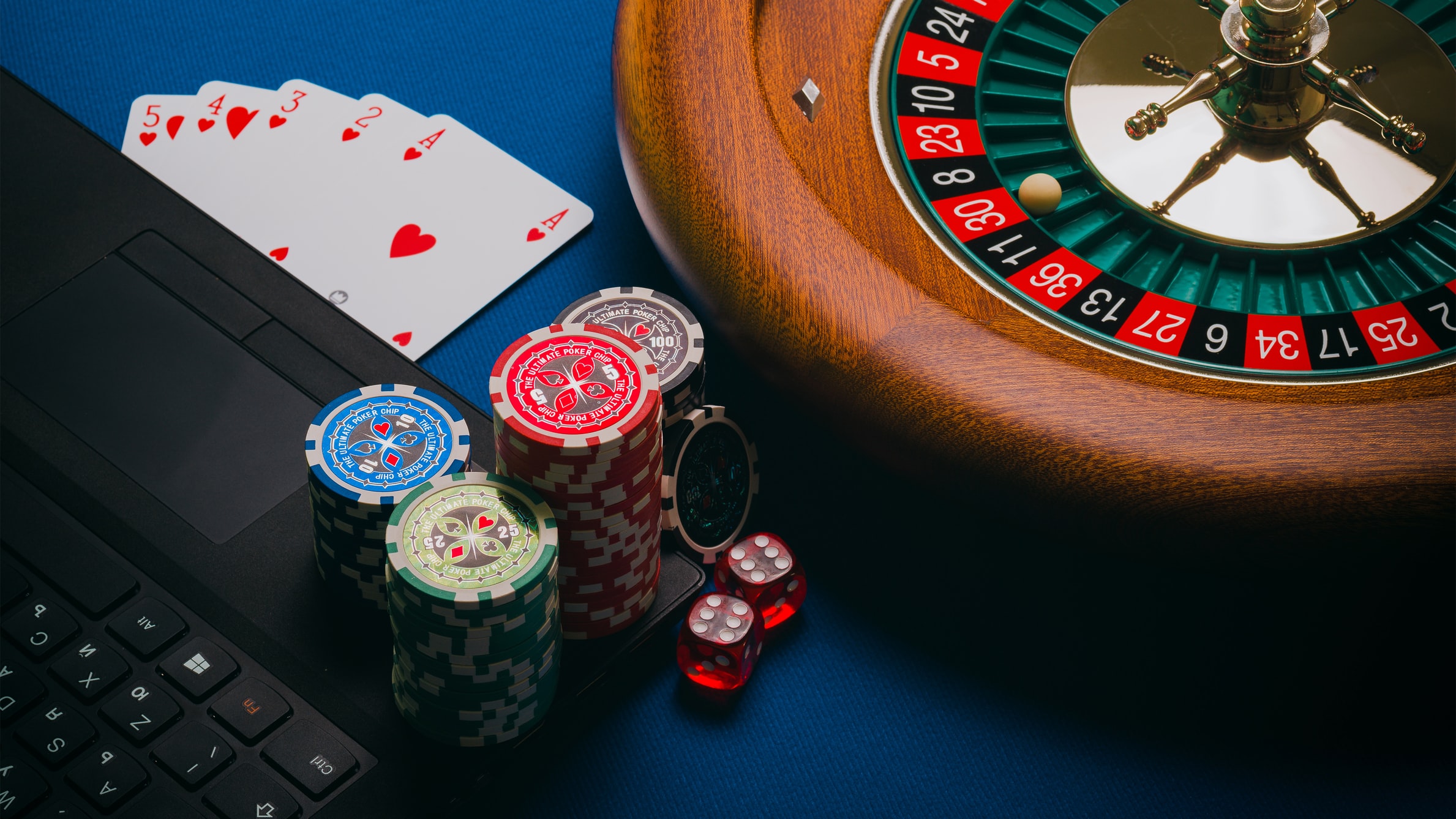
Quickbet Casino: A Safe Space for Responsible Gaming
Quickbet Casino provides an exciting online gaming experience while prioritizing player safety and responsible gaming practices. With a robust selection of over 3,000 games, including live dealer options and premium slots, Quickbet offers an engaging atmosphere for players seeking entertainment without compromising their mental health. The platform is licensed by the UK Gambling Commission, ensuring a fair and secure environment for all users.
Quickbet Casino understands the importance of responsible gaming, offering resources and tools to help players manage their gambling habits. By promoting awareness of the risks associated with excessive gambling, Quickbet aims to create a supportive community where individuals can enjoy gaming responsibly. This emphasis on mental health awareness sets Quickbet apart, making it an ideal choice for players looking for a balanced gaming experience.
Ultimately, Quickbet Casino is committed to fostering a gaming environment that prioritizes well-being, encouraging players to engage mindfully. By offering a variety of responsible gaming tools and resources, Quickbet ensures that all players can enjoy their gaming journey while safeguarding their mental health.
 Italian
 Arabic
 Chinese (Simplified)
 Dutch
Dutch English
 French
 German
 Portuguese
 Russian
 Spanish