Understanding the hidden effects of gambling on mental health
The Psychological Impact of Gambling
The psychological effects of gambling extend far beyond the thrill of the game. Many individuals engage in gambling as a means of escapism, temporarily alleviating stress or anxiety. However, this short-term relief can often lead to long-term mental health issues. Compulsive gambling can result in feelings of guilt, shame, and isolation, which may exacerbate existing mental health conditions. For those looking for an exciting experience, the ice fishing game online offers thrilling gameplay that can be both entertaining and risky.

Furthermore, gambling can trigger emotional volatility. Players might experience intense highs with winnings and deep lows with losses, creating an emotional rollercoaster. Over time, this inconsistency can destabilize one’s mental well-being, leading to anxiety disorders or depression. Understanding these effects is crucial for recognizing when gambling crosses the line from entertainment to harmful behavior.
The Difference Between Online and In-Person Gambling
Online gambling offers a unique set of challenges that can impact mental health differently than traditional in-person gambling. The anonymity and accessibility of online platforms make it easy for individuals to engage in gambling without the social scrutiny that may accompany in-person games. This can lead to increased gambling frequency and higher stakes, further complicating mental health implications. In contrast, in-person gambling can foster a social environment that either supports or challenges gambling behavior.
While it may provide a sense of community, the potential for peer pressure can also escalate risky gambling practices. Understanding these differences is key to identifying the potential mental health risks associated with each mode of gambling.
Signs of Problematic Gambling Behavior
Recognizing the signs of problematic gambling is essential for early intervention. Common indicators include preoccupation with gambling, unsuccessful attempts to cut back, and gambling as a means to escape problems. Individuals may also experience financial strain as a result of their gambling habits, leading to stress and further mental health challenges. Additionally, those struggling with gambling addiction may notice changes in their relationships.
Frequent lies about gambling habits, neglecting responsibilities, and withdrawal from social activities are all signs that gambling may be taking a toll on mental health. By being aware of these behaviors, individuals can seek help before the situation worsens.
The Role of Support Systems
A robust support system is vital for individuals dealing with the mental health impacts of gambling. Friends and family can provide emotional support, which is essential in overcoming gambling addiction. Encouragement to engage in healthier activities and discussions about the emotional ramifications of gambling can foster a more positive environment.
Additionally, professional support, such as therapy or support groups, can significantly aid recovery. These avenues offer coping strategies, emotional guidance, and accountability. Building a support network can help individuals navigate the complex interplay between gambling behaviors and mental health.
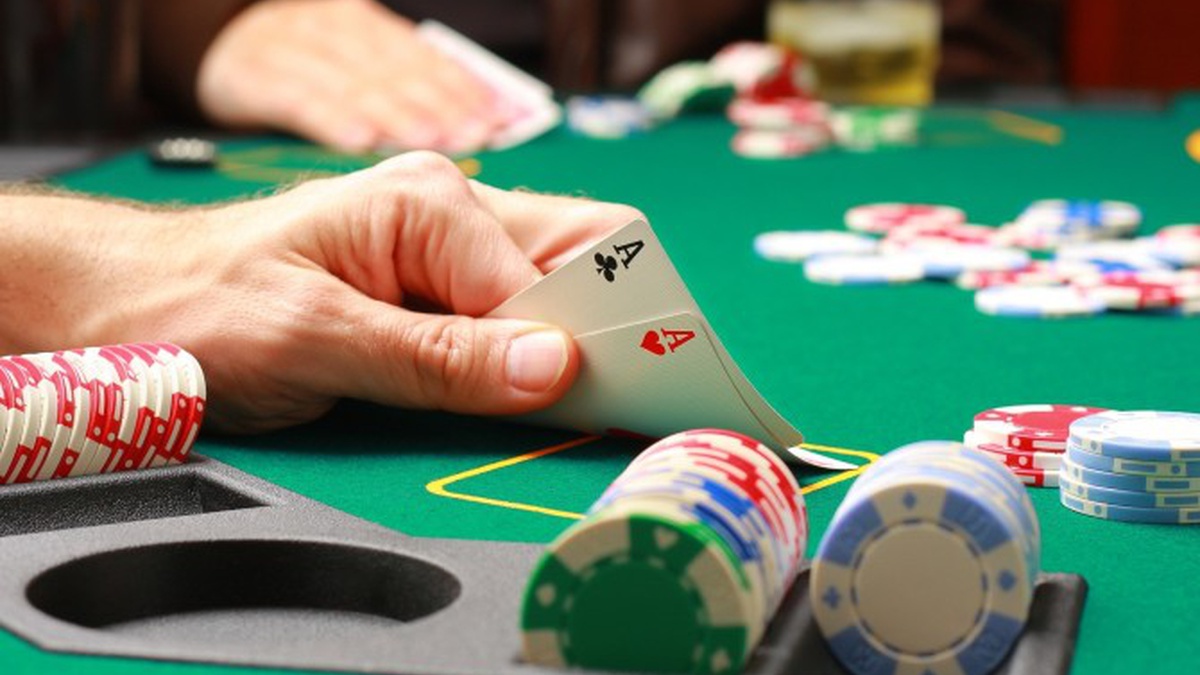
Enhancing Your Experience with Responsible Gambling
Understanding the hidden effects of gambling on mental health emphasizes the need for responsible practices. This awareness can lead to healthier choices whether you engage in online or in-person gambling. Platforms that prioritize responsible gambling provide resources, guidelines, and support to help players recognize their limits.
Engaging in gambling within a structured, aware framework can mitigate mental health risks. By taking advantage of tools offered by gaming platforms, players can maintain control, ensuring that their gambling remains a source of enjoyment rather than distress. Such an approach encourages a healthier relationship with gambling, prioritizing mental well-being above all.
 Italian
 Arabic
 Chinese (Simplified)
 Dutch
Dutch English
 French
 German
 Portuguese
 Russian
 Spanish